Nothing may say Christmas more, like the Poinsettia! A sub tropical Euphorbia known for its bright Red bracts, although they have been bred in White and many colour combinations inbetween. I stumbled on a way to make them bloom for Christmas a few years ago, and perhaps not guaranteed, it's worth a try.
You'll probably buy a Poinsettia or twelve near Christmas time, look around for quality and price, it can really vary. If I'm going to buy one I try to get the biggest and healthiest and most economical possible. Keep watering on a regular basis and remember our houses get very dry in the winter, they should last several weeks thru Christmas. Eventually the large greenhouse grown green leaves will wither and drop off and eventually the whole plant may drop all of it's leaves, don't worry it's doing what Euphorbias evolved to do in arid climates. Keep watering on a once a week basis and new leaves will develop soon. By the time June rolls around you should have a leafy-green poinsettia to put outside in a hot and sheltered location. Fertilize regularly thru the summer months making sure to not let dry out too much. Now here is where it gets tricky, I did this in Calgary, so it should be possible almost anywhere. I grew my Poinsettias under a sunny yet protected roof in a, conveniently, dark area of the backyard as late as possible into September. From time to time we get lucky enough to avoid a frosty night until late in September, don't let these guys freeze, but the increasing dark nights is what triggers the blooming. By about late September its time for these guys to come inside, if you live in a warmer area I'll bet they would love until whenever your warm nights end. Place the Poinsettia(s) in the sunniest window you have and hopefully by December the tiny red or white bracts will start appearing along with the actual alien looking flower parts.
I have tried many of the methods over the years, like putting a Poinsettia in a box at regular times for 12 hours of darkness, it doesn't work, you will forget and the flowers will not form later! Apparently just a crack of light will ruin the cycle, so it is a challenge. I had one Poinsettia for about 10 years, after a while they become like small bonsai trees, the leaves become smaller than the greenhouse grown ones you buy and the trunks become bare and beautifully twisted. The old Poinsettia was more reliable on flowering so I'm guessing the older the better. Maybe you have seen Poinsettias in your travels? I've seen them in Los Angeles growing to the height of a two story building and with the red bracts in the winter, we may love that idea but I know the Californians wish they had snow for Christmas!
So give it a try! I haven't done this in a while as the new neighbours like to leave their outside lights on all the time, remember too much light will ruin the flowering so if you have a reliably dark area away from streetlights and porch lights and warm enough thru the night it's worth a shot!
Renaissance Men can be reached at kobleyhill@shaw.ca and on Instagram at renmenkootenay
Thursday, November 26, 2015
Tuesday, November 24, 2015
How To Grow and Rebloom Amaryllis
Who doesn't love Amaryllis? Especially at Christmastime!? Maybe you've received one as a gift or bought one in a box from your grocery store and then wondered what do I do with it now? I've been growing Amaryllis for years, they are very easy to grow and rebloom if you understand their simple needs.
Like a lot of us you probably bought one in a box, hopefully when they go on sale!, they usually come with a pot and soil and directions, follow accordingly. I don't always use the pot and soil they come with however as I think they prefer a clay pot, and so do I!!!! You can always use a better potting soil if you want because they usually just come with some peat moss and I think these bulbs would like something a little more nutritious and some improved drainage. I always add some rocks for drainage and a little pearlite to the soil wouldn't hurt either, afterall these guys are native to South Africa!
After you have selected your Amaryllis at the store, please open the box because you can usually see if they have signs of life and hopefully two buds sprouting! Followed the directions, plant with a little of the top of the bulb showing, ensured good drainage and soil. Now wait, and water regularly for the next 5 to 6 weeks. So, if you want Amaryllis for Christmas you should probably buy one and plant it about the last week or so of November. Myself, I like to buy at deep discount closer to Christmas! They will bloom for about a week and many times a second flower stalk emerges so you can have flowers for at least a couple of weeks in the darkest winter days.
After the flowers have faded, you may want to clip them off individually as they fade, snip off the whole spent flower cluster just under where they split off from the main stalk. Leave the stalk to wither away and remove easily when it's completely dried out. Amaryllis won't need as much water as when flowering, but keep watering about once a week and fertilize with a 20-20-20 solution once a month through the summer. At this point I let them grow outside until the first frost.
Growing Amaryllis Outdoors: Once we've reached the point where the flowers have long gone and warm weather has returned outdoors, you should have a bulb with a few strappy leaves coming out of the top. Place in a warm and sunny spot, like near a wall and water freely, they will probably get rainfall too but also remember to fertilize regularly, once or twice a month, they will likely grow more leaves until the nights get cold again. In this part of the world I usually bring them in if there is danger of hard frost about the end of September. Once summer has finished Amaryllis must rest! This part is very important, put the plants in a sunny window and cease watering until the leaves turn brown and wither away, this can take until November. When the leaves are dried and easy to pull away from the bulb put them in a cool dark place for the winter. I know, you will probably not have them for Christmas with this method as the resting period is not long enough but it does work for reblooming and you will probably have them for Easter! I usually bring the bulbs that have overwintered in their pots with soil out of the dark around March, soak the potted bulbs in the sink for several hours and resume watering regularly until the flowers appear once again in a few weeks. Sorry, I haven't figured out how to reschedule the bloom time for winter, I usually just buy more near Christmas, but this method seems to work best in our climate.
While Amaryllis are lovely at Christmas they are also rewarding through the spring indoors! All one has to do is understand their simple needs and they will provide years of flowering!
Like a lot of us you probably bought one in a box, hopefully when they go on sale!, they usually come with a pot and soil and directions, follow accordingly. I don't always use the pot and soil they come with however as I think they prefer a clay pot, and so do I!!!! You can always use a better potting soil if you want because they usually just come with some peat moss and I think these bulbs would like something a little more nutritious and some improved drainage. I always add some rocks for drainage and a little pearlite to the soil wouldn't hurt either, afterall these guys are native to South Africa!
After you have selected your Amaryllis at the store, please open the box because you can usually see if they have signs of life and hopefully two buds sprouting! Followed the directions, plant with a little of the top of the bulb showing, ensured good drainage and soil. Now wait, and water regularly for the next 5 to 6 weeks. So, if you want Amaryllis for Christmas you should probably buy one and plant it about the last week or so of November. Myself, I like to buy at deep discount closer to Christmas! They will bloom for about a week and many times a second flower stalk emerges so you can have flowers for at least a couple of weeks in the darkest winter days.
After the flowers have faded, you may want to clip them off individually as they fade, snip off the whole spent flower cluster just under where they split off from the main stalk. Leave the stalk to wither away and remove easily when it's completely dried out. Amaryllis won't need as much water as when flowering, but keep watering about once a week and fertilize with a 20-20-20 solution once a month through the summer. At this point I let them grow outside until the first frost.
Growing Amaryllis Outdoors: Once we've reached the point where the flowers have long gone and warm weather has returned outdoors, you should have a bulb with a few strappy leaves coming out of the top. Place in a warm and sunny spot, like near a wall and water freely, they will probably get rainfall too but also remember to fertilize regularly, once or twice a month, they will likely grow more leaves until the nights get cold again. In this part of the world I usually bring them in if there is danger of hard frost about the end of September. Once summer has finished Amaryllis must rest! This part is very important, put the plants in a sunny window and cease watering until the leaves turn brown and wither away, this can take until November. When the leaves are dried and easy to pull away from the bulb put them in a cool dark place for the winter. I know, you will probably not have them for Christmas with this method as the resting period is not long enough but it does work for reblooming and you will probably have them for Easter! I usually bring the bulbs that have overwintered in their pots with soil out of the dark around March, soak the potted bulbs in the sink for several hours and resume watering regularly until the flowers appear once again in a few weeks. Sorry, I haven't figured out how to reschedule the bloom time for winter, I usually just buy more near Christmas, but this method seems to work best in our climate.
While Amaryllis are lovely at Christmas they are also rewarding through the spring indoors! All one has to do is understand their simple needs and they will provide years of flowering!
Wednesday, October 14, 2015
The Best Fall Colour in Calgary
Somehow it is the middle of October and we are quickly reaching an end to the growing season! Since we have had such a relatively warm fall with not a lot of frost, or any really!, the shrubs and trees have really put on a show this year! I have been busily snapping pics of my favourites all over my neighbourhood, so enjoy!
While driving I spotted this tree from a block away and thought what on earth is that!? It's an Ohio Buckeye. Usually they are more in the Orange range in the fall so this took me by surprise. It must be one of the biggest I've ever seen in Calgary, what a beauty!
These were growing near a soccer field, it is some kind of Poplar x hybrid, forgive me I don't know every kind of poplar cross! They seem to turn about the brightest shade of yellow possible, set against a brilliant blue sky and beside a beautiful pine is quite striking!
These Ash trees, which I am guessing are a cultivar of the common Green Ash we have almost everywhere, is likely the variety Autumn Purple. Since it was invented in 1956 my only question is why didn't we plant them 60 years ago?
They seem to grow just the same as Green Ash so I hope in the future they will planted everywhere since we really lack red colour in the fall in this city!
Mountain Ash, a common but beautiful tree for Calgary. Just remember there are two types, American Mountain Ash seen above, is a relatively small rounded tree with large panicles of red berries, large leaves and a plethora of fall colour.

European Mountain Ash is a much larger tree, growing to 30 feet high or more. The leaves and berries are smaller and the fall colour is really variable compared to American Mountain Ash. This one in my neighbourhood is a favourite of mine, lots of orange-red colour in the fall, the one on my property is quite different though, it mostly turns orange-yellow in the fall, if it turns at all, sometimes the leaves are still green until a very hard frost! There are cultivars of this variety which have a smaller more unified form and more reliable colour. The berries of all varieties remain through the winter to be food for Cedar Waxwings and drop all over your patio the rest of the year!
Engleman Ivy, a cousin of Virginia Creeper, grows well in Calgary and I've only put it in here because it is very rare to see it's fall colour. What a shame we often have early frosts that make the leaves drop before it's full fall display. So, given a warm enough season, every few years we will get lucky. I don't think I've ever seen this shade of red in nature very often!
Cutleaf Sumac, a much smaller cultivar of Staghorn and/or Smooth Sumacs, is another shrub we hope the weather holds out for because of it's brilliant show. Also available is the cultivar Tiger Eyes, which is the Staghorn (fuzzy branched) version of this, it has golden summer foliage and bright Orange-Red fall colour.
Of course Staghorn Sumac is in here! Even if the weather gets fairly frosty these guys will turn red, purple, orange.
Yeah I have a Japanese Aralia! It does OK in a very sheltered spot close to the house and well mulched in the fall, it is curiously spiney on the stalks and the leaves. It is rare for it to turn a colour in the fall around here but really quite something!
Pagoda Dogwood, like the native dogwoods turns all shades of Orange and Red, perhaps a little darker though, always a nice show.
While driving I spotted this tree from a block away and thought what on earth is that!? It's an Ohio Buckeye. Usually they are more in the Orange range in the fall so this took me by surprise. It must be one of the biggest I've ever seen in Calgary, what a beauty!
These were growing near a soccer field, it is some kind of Poplar x hybrid, forgive me I don't know every kind of poplar cross! They seem to turn about the brightest shade of yellow possible, set against a brilliant blue sky and beside a beautiful pine is quite striking!
These Ash trees, which I am guessing are a cultivar of the common Green Ash we have almost everywhere, is likely the variety Autumn Purple. Since it was invented in 1956 my only question is why didn't we plant them 60 years ago?
They seem to grow just the same as Green Ash so I hope in the future they will planted everywhere since we really lack red colour in the fall in this city!
Mountain Ash, a common but beautiful tree for Calgary. Just remember there are two types, American Mountain Ash seen above, is a relatively small rounded tree with large panicles of red berries, large leaves and a plethora of fall colour.

European Mountain Ash is a much larger tree, growing to 30 feet high or more. The leaves and berries are smaller and the fall colour is really variable compared to American Mountain Ash. This one in my neighbourhood is a favourite of mine, lots of orange-red colour in the fall, the one on my property is quite different though, it mostly turns orange-yellow in the fall, if it turns at all, sometimes the leaves are still green until a very hard frost! There are cultivars of this variety which have a smaller more unified form and more reliable colour. The berries of all varieties remain through the winter to be food for Cedar Waxwings and drop all over your patio the rest of the year!
Engleman Ivy, a cousin of Virginia Creeper, grows well in Calgary and I've only put it in here because it is very rare to see it's fall colour. What a shame we often have early frosts that make the leaves drop before it's full fall display. So, given a warm enough season, every few years we will get lucky. I don't think I've ever seen this shade of red in nature very often!
Of course Staghorn Sumac is in here! Even if the weather gets fairly frosty these guys will turn red, purple, orange.
Yeah I have a Japanese Aralia! It does OK in a very sheltered spot close to the house and well mulched in the fall, it is curiously spiney on the stalks and the leaves. It is rare for it to turn a colour in the fall around here but really quite something!
Pagoda Dogwood, like the native dogwoods turns all shades of Orange and Red, perhaps a little darker though, always a nice show.
Thursday, October 1, 2015
Late Bloomers, for the Prairies
Who doesn't love the old cliche, "better late than never!"? These late bloomers are perfectly hardy and reliable for our northern fall gardens. Even through frost and snow, to a reasonable degree, these plants will extend colour in the garden through October.
Autumn Joy Sedum, pictured above, is easy to grow and widely available. They are from a large family of succulent type plants that range from ground covers to this upright large perennial. The flowers begin greenish in August and gradually turn from pink to burgundy as the nights get longer and colder, leave standing over winter for winter interest and cut down in the spring before new growth in April. As these are succulents they are suited to hot, dry, sunny locations but I seem to have no problem growing in a little dappled shade too. All the Sedums can be propagated, quite easily from stem cuttings in the spring and early summer, simply snip off a sizable piece remove the bottom leaves and bury the stem in the ground, keep moist and viola, new plant. The ground covers easily root from any piece of stem too! A great companion and contrast to the greenish leaves of Autumn Joy is of course the deep red-burgundy version sometimes sold as Stonecrop, Black, also widely available, is pretty much the same plant but cultivated in this colour, below.
Turtlehead, Chelone obliqua, is another late bloomer, given a long enough fall that is not too frosty these plants will bloom from around late August until the first very hard frost. I hear they are available in Pink and White but I was only ever able to find Pink, so I will forgive the colour as the flower heads really do look like little turtle heads! I grow this large perennial in part shade as it likes to be moist, it seems to require no special care, is easily divided in the spring and is not bothered by pests, I recently found out deer won't eat them either. They make a good cut flower, like if cold weather is looming, and many nectar loving insects also love them!
Although Turtlehead is native to Eastern North America it seems to thrive in Calgary too. As you can see in the bottom photo this plant grows to about 3 feet high and blooms beside the changing fall leaves!
Fall Asters, well there are many many kinds! Here is a general idea of what they look like. I grow the purple Italian variety, that I got from an old neighbour, in the picture above, but they are available in a variety of heights and colours from white to yelow, red to purple and pink and everything in between. When you purchase Asters just make sure they are the perennial kind suited to our climate, there are a few developed in Canada in Morden and many others such as Italian and Professor Kippenburg that are very hardy too. Asters like sunny sites in warm areas, I give them no special care and they reward with blooms from September thru October! The Italian Aster I have sometimes blooms well into November, shirking off snowfalls and -10C weather like it was nothing. One often sees the more tender Asters for sale at grocery stores or where ever, they are fine and lovely but remember that they do not like frosty nights, the blooms will get damaged in too cold of weather, they are more suited to the West Coast or more Southern areas.
Cimicifuga, or if thats too hard, Bugbane, Snakeroot, Brunette
I remember some controversy about the scientific name of this plant but it is still being listed as Cimicifuga so lets just leave it at that! I don't really grow it for the flowers as it usually gets frozen before it can, but when it does I suppose it's quite interesting. This plant is mostly grown in our area as a shade tolerant and moisture loving foliage perennial. This is a tidy and not overly large perennial, given a warm enough season it begins blooming in September in my yard.
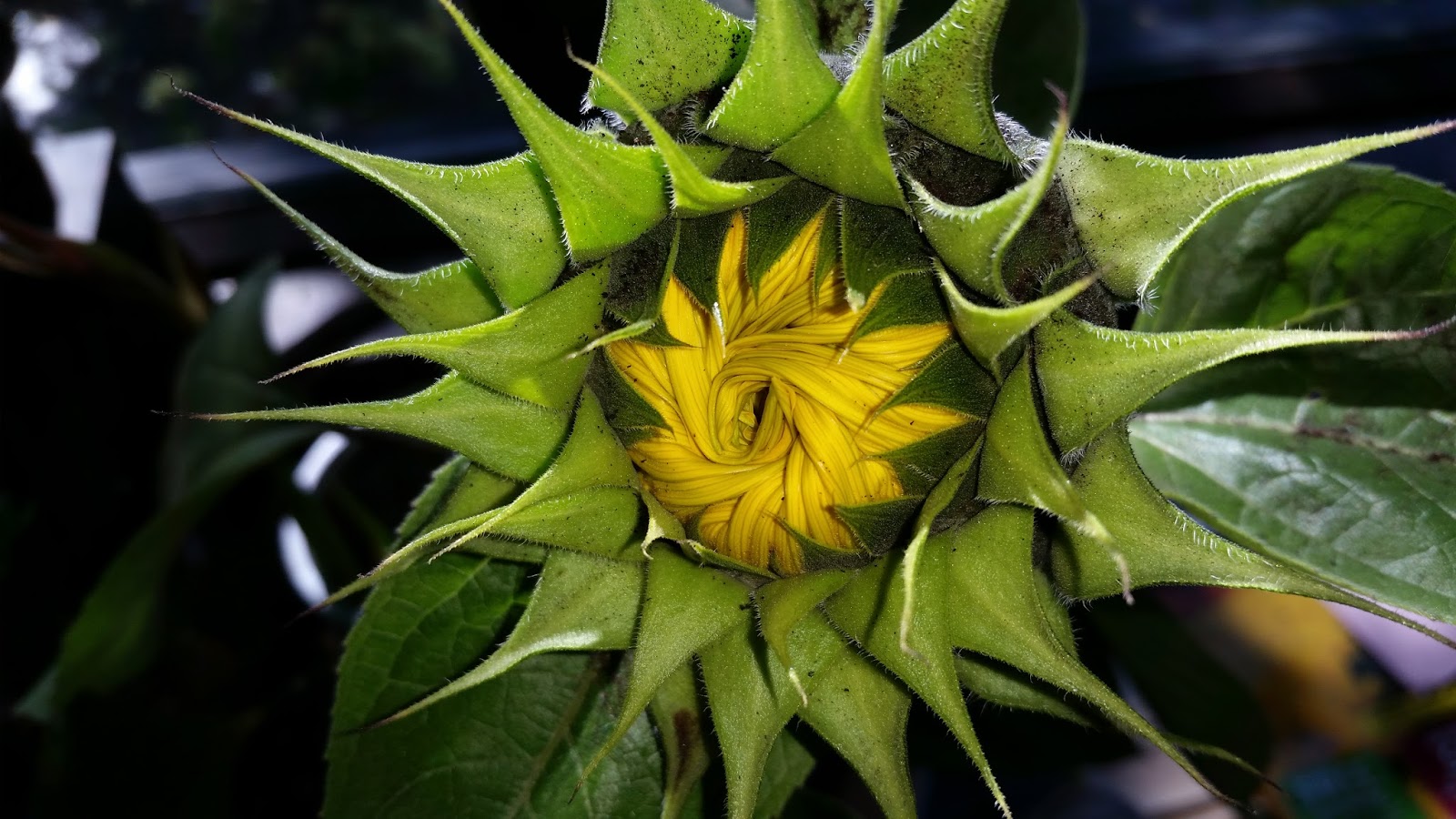
Annuals, there are a variety of annuals that can stand a little cold weather and shorter days. Sunflowers certainly seem familiar as a fall flower and seem to love every last moment of the fading summer sun. Others like Sweet Peas, Marigold, Snapdragons and Petunias can take a light frost and bloom for weeks after, just keep watering! I remember cutting sweet peas well into October one year!
When we are looking at months of the upcoming winter it's nice to hang on these late bloomers as the last vestige of our short warm seasons.
Friday, July 10, 2015
Growing Peonies in Calgary
Peonies are among the easiest and most rewarding of perennials that grow in Calgary and everywhere across the Prairies. No wonder they are called "The King of Flowers" in China and Japan! It takes a few years for them to get started but after that they live for decades.
They come in shades of dark red, pink, white and everything in-between, even yellow! There are a few types of flower styles ranging from single to pom-pom and some bloom in two colours usually with the centre being different from the outer petals.
When we moved into our house two lonely peonies were the only perennials in the front yard, more than a decade later they still put on a show every June.
Here are some tips for growing peonies in Calgary or almost anywhere:
- Buy, or inherit, as big as you can find, the older these plants get the better. After planting in a sunny location it can take 3 or so years for them to get established.
- Don't fertilize! You can add a little compost when you plant a peony and top dress the soil once in a while with more compost over the years but really they don't need a lot of pampering. They also thrive on neglect, regular rainfall is enough most years, once in a while in a very dry August or September I have given mine a little extra water. Most years they are fine on their own.
- To stake or not stake? It's up to you, I don't like the look of plants in bondage so I leave mine to grow naturally, if it rains a lot they'll probably go floppy but I usually just pick some for inside.
-After flowering, when the petals have dropped, the seed heads must be removed as they are only a drain on the entire plant and will effect flowering next year. I usually cut a couple of leaf sets down the stem for a tidy look.
-Peonies like cold a cold winter, I've never seen them in California or Florida for instance, so really no special care for the fall. I usually rake a few leaves over the crowns in the fall but this is mainly to retain moisture in the whole bed over the winter, if you just left them with no mulch they would also be fine.
-If you want to move (not recommended) or split a peony do it in September, plant with the crown of the peony an inch or two below the soil.
Unlike people, Peonies photograph well with backlighting!!!
Friday, June 5, 2015
Growing Indoor Plants Outdoors...in Calgary?
As we get into June and the overnight temperatures warm up it's time to give your houseplants a little summer vacation. First, however, make sure the weather is warm enough, watch that long term forecast, sometimes June in our area is still not warm enough, ie: Highs in the 20's and lows near 10C. Most importantly one just doesn't take a nice houseplant and plunk it on a sunny patio! What would happen if we took someone from Canada in the middle of the Winter and put you on a Mexican beach with no sunscreen or even a hat? You would probably sunburn in about 10 minutes and not feel very good for a while. Thus it is with houseplants, they are not used to direct sun and the elements so they need to be hardened off, the same if you have grown some seedlings indoors for annual plantings, they need to be eased into this situation. Even if you have cactus, like the ones in the photo, they need to placed into shade with only a little direct sun at first. For plants other than cactus you should keep in shade, or dappled shade with no direct sun for a few weeks. If you have a good overhang or covered or sheltered patio that would be ideal, a roof of some sort will protect from falling temperatures, wind and heavy rain. Make sure your houseplants can also withstand our relatively non-tropical nights, some may be unsuitable such as orchids. I grow many houseplants outdoors in the summer like cactus and succulents, spider plants, amaryllis and even a lemon tree, they will love the increased sunlight, natural rainfall and cool nights, you will enjoy the extra room in your house for the summer and can finally clean that dusty corner before the summer visitors arrive!
Here's an Epiphyllum type cactus that loves hanging from my lilac tree in the summer. With regular fertilizing and normal rainfall it excells and rewards us with a show of giant flowers around August.
Just remember when the temperatures dip in September it's time for most of these guys to come back indoors for the winter!
Monday, June 1, 2015
Lilac Time Again!
We haven't been to the Lilac Festival in many years, and what for? It's a Lilac festival in our backyard every spring! Some of these Lilacs, like the ones in the back are probably over 60 years old and still going strong! I know some people complain that they only last a short time and wish they bloomed all year, well I would like ice cream in the mail! We don't live in the tropics so enjoy them for what they are, a reliable and hardy shrub/tree that come in many colours and types. Lilacs come in three types, French like the ones you see here, Velosa or Korean types that bloom a little later and are mostly in the pink shades and Japanese that are more like a tree and bloom white in early summer. If one invested in a few varieties you could have lilacs from May thru June. I'm not sure why some stress over the suckering of the French types, if you let them grow they will eventually bloom, some years I have cut the suckers and some I haven't, it's all what you want or how much punishment you think you deserve I guess! Some of the more recent varieties have stronger colour, bigger blooms and less suckering, so get out there and have a look at your local greenhouse, there's a lilac for you that will reward you year after year with almost no care.
Subscribe to:
Posts (Atom)